
Experts call on FDA to establish clear safety, access standards for psychedelic drugs
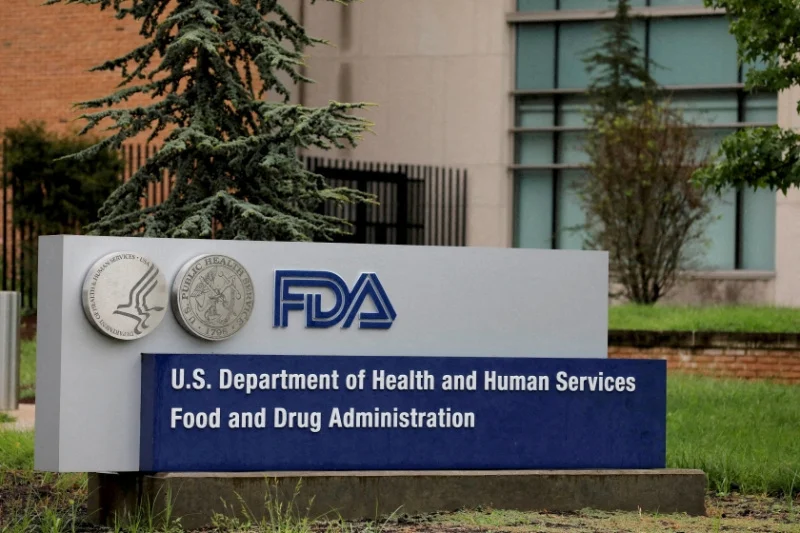
Sept 14 (Reuters) - At a four-hour public meeting convened by the U.S. Food and Drug Administration, doctors, veterans, pharmacists and therapists on Monday called on the agency to set clear safety and access standards for psychedelic therapies, as efforts to speed their development continue.
The hearing is the latest development in a months-long push launched in April by U.S. President Donald Trump’s administration to bring qualified psychedelic drug programs to market.
Discussions at the meeting centered on practical issues that could shape how psychedelic therapies are tested and delivered, including provider training and credentials, patient screening and monitoring, access and reimbursement, clinic capacity, and the collection of long-term safety data.
Experts said any approved psychedelic treatment must have trained staff in the room during sessions, which could run six to 12 hours, along with proper screening, follow-up care and community support.
Speakers urged researchers to gather data on menstrual phases, pregnancy and postpartum status, perimenopause, menopause, hormonal status and concomitant medications, warning that pooled results could obscure differences in efficacy or adverse events.
Melissa Lavasani, CEO of the Psychedelic Medicine Coalition, said: "Important safety and treatment signals should not disappear inside population averages."
The experts noted that treatments could also remain inaccessible without insurance coverage, adding that without adequate reimbursement for providers, clinics would either serve mostly wealthy patients or fail financially.
Lynn Watkins, a U.S. Air Force veteran associated with the Psychedelics and Pain Association, said: "Approval alone is not access. A breakthrough therapy nobody can reach is not a breakthrough — it is a press release."
Only days before the hearing, senior FDA officials, including Michael Davis, head of the agency’s Center for Drug Evaluation and Research, published a paper in the New England Journal of Medicine outlining a framework for developing and approving psychedelic drugs.
The officials said the agency was "meeting this moment" on hard-to-treat conditions such as major depressive disorder and PTSD.
According to Jefferies analysts, the framework suggested the FDA was willing to consider flexible trial designs to address challenges including "functional unblinding," when a drug’s noticeable psychoactive effects reveal to participants which treatment they received.
The administration’s support has stirred fresh investor interest in the sector, with industry executives telling Reuters it could improve coordination between the FDA and the Drug Enforcement Administration and help reduce regulatory delays, though treatments are likely still years away.
The American Psychiatric Association said: "FDA’s determination of safety and effectiveness ... must remain the foundation for any future clinical use."
Analysts said agreement among regulators, clinicians and developers on a safe, supervised rollout should benefit AtaiBeckley, Compass Pathways, Definium Therapeutics, Helus Pharma and GH Research.
Helus CEO Michael Halstead said: "The science continues to advance, and continued thoughtful engagement among regulators, researchers and clinicians is critical to advancing these promising new treatments."
Read also

Musk pledges affordable Starlink pricing in India days before Ambani's record Jio IPO
Elon Musk said he would price Starlink's satellite internet affordably in India to challen…
Read More
HSBC names eight emerging markets to watch in 2027
HSBC has picked eight emerging equity markets it favours for 2027, citing artificial intel…
Read More
Foreign Investors Exit South Korean Stocks as AI Enthusiasm Fades
South Korea’s equity market is seeing heavy foreign outflows and a steep drop in trading a…
Read More