
FCC to vote on easing local TV and radio ownership limits
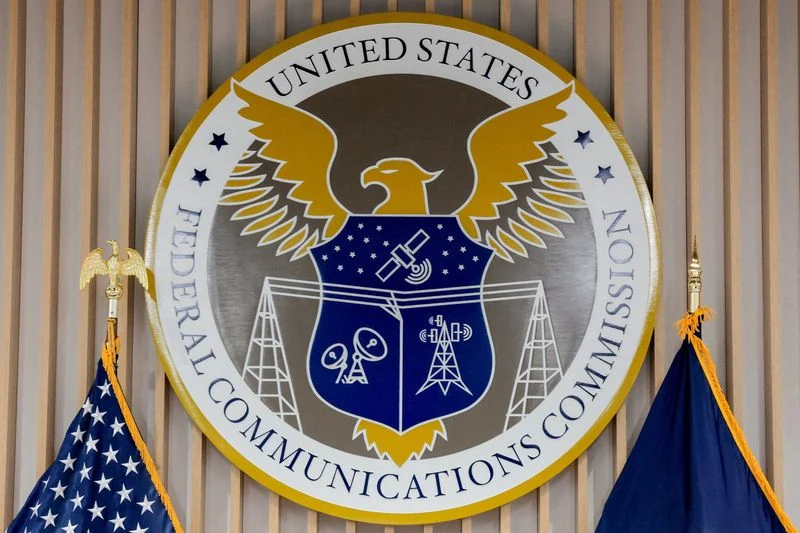
WASHINGTON, Nov. 23 (Reuters) - The Federal Communications Commission intends to vote next month on loosening ownership restrictions for local radio and television stations, with the agency pledging to give broadcasters a fairer footing against large technology companies.
FCC Chair Brendan Carr said the commission will vote on Dec. 17 on whether to remove caps on how many stations local broadcasters may own in the markets where they operate, substituting case-by-case reviews for the current limits.
"This process will encourage good deals that enable broadcasters to serve the public interest, while ensuring that the agency blocks bad ones," Carr said. He contended the change would help local radio and TV broadcasters compete more effectively for audiences and advertising dollars against streaming services, social media and Big Tech platforms.
The proposal would also do away with subcaps that limit how many AM and FM stations a single entity can hold in a local market.
The FCC is not seeking to alter rules that effectively bar mergers involving any of the Big Four broadcast networks: Comcast-owned NBC, Skydance-owned CBS, Disney-owned ABC and Fox.
The National Association of Broadcasters welcomed the proposal, stating, "Updating these outdated restrictions is critical to ensuring local radio and television stations can better compete with streaming and tech giants in today’s media marketplace."
In August, the FCC voted 2-1 to repeal a separate rule that prevents local broadcast station owners from reaching more than 39% of U.S. TV households, a step that could fuel industry consolidation.
Anna Gomez, the commission’s only Democrat, maintained that only Congress has authority to remove that cap. Numerous critics contend the change would concentrate excessive market power among station owners.
In March, the FCC approved Nexstar’s $3.54 billion acquisition of local TV station owner Tegna over objections from Democratic-led states. If courts do not overturn the deal, it will extend Nexstar’s reach to 80% of U.S. TV households.
Read also
ANZ advances RBA rate-cut forecast to June 2027 as labour market softens
ANZ has moved forward its forecast for the first RBA rate cut to June 2027, citing a weake…
Read More
US places Megaspeed on trade blacklist amid Nvidia controversy
The US Commerce Department added Singapore-based Megaspeed, an Nvidia partner under invest…
Read More
BHP sets course to double South Australian copper production by 2040 as shares gain
BHP plans to double copper output at its Copper South Australia business to 650,000 tonnes…
Read More