
Mexico's REITs poised to benefit from manufacturing, AI boom, exchange chief says
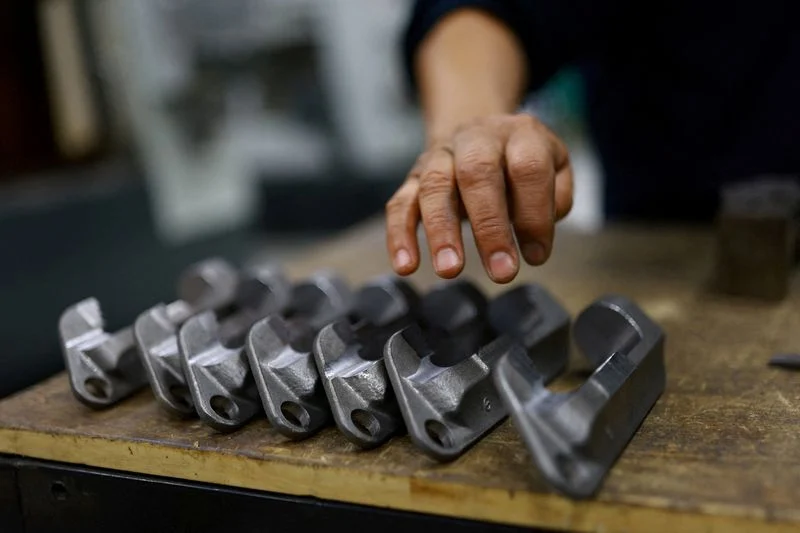
Mexican real estate investment trusts could offer investors a way to benefit from the country's manufacturing expansion and the infrastructure knock-on effects of the global artificial-intelligence boom, according to the chief of exchange operator BIVA ahead of the bourse's Mexico Investment Week events in New York, which start Wednesday.
Maria Ariza, chief executive of the Bolsa Institucional de Valores (BIVA), said Mexico's FIBRAs -- tax-advantaged real estate investment trusts -- were an underappreciated means of financing the industrial parks, logistics assets and infrastructure that North American supply chains require.
Ariza said in the interview that Mexico offered ample opportunities and that FIBRAs were one alternative she clearly saw for maintaining investor interest and attracting capital.
Mexico is positioning itself as a manufacturing and export platform for the United States, even with uncertainty caused by the review of the USMCA trade pact.
In the first quarter of this year, Mexico exported $50 billion in computers and electronic equipment, almost double its year-earlier level.
Ariza said the artificial-intelligence investment boom could yield opportunities beyond chipmakers and software developers, with demand emerging for industrial space, power and logistics that support more technology-intensive manufacturing.
Even if Mexico is not necessarily the producer of every AI-related product, she said, the broader economic ripple effect is something FIBRAs can harness.
Mexico has 16 listed FIBRAs, and Ariza sees scope for additional specialized trusts to serve demand for industrial, manufacturing and infrastructure assets. The investment vehicles can give holders income via dividend distribution, potential asset appreciation, and valuations that Ariza said look attractive compared with other markets.
Still, the opportunity has limits. International investors keep asking about legal certainty, security and reliable access to energy, all of which can raise project capital costs, Ariza said.
Ariza added that investors are not selective by nature but still carry out a crucial evaluation before deciding, so Mexico must talk candidly about risks while showing where returns can outweigh them.
Ariza also argued that Mexican capital markets must do more to fund mid-sized firms that supply the country's growing industrial base, pointing to funds that let pension funds and other large investors gain diversified exposure to smaller issuers.
Read also
Musk pledges affordable Starlink pricing in India days before Ambani's record Jio IPO
Elon Musk said he would price Starlink's satellite internet affordably in India to challen…
Read More
HSBC names eight emerging markets to watch in 2027
HSBC has picked eight emerging equity markets it favours for 2027, citing artificial intel…
Read More
Foreign Investors Exit South Korean Stocks as AI Enthusiasm Fades
South Korea’s equity market is seeing heavy foreign outflows and a steep drop in trading a…
Read More