
More children under 12 in US are being prescribed weight-loss drugs, study finds
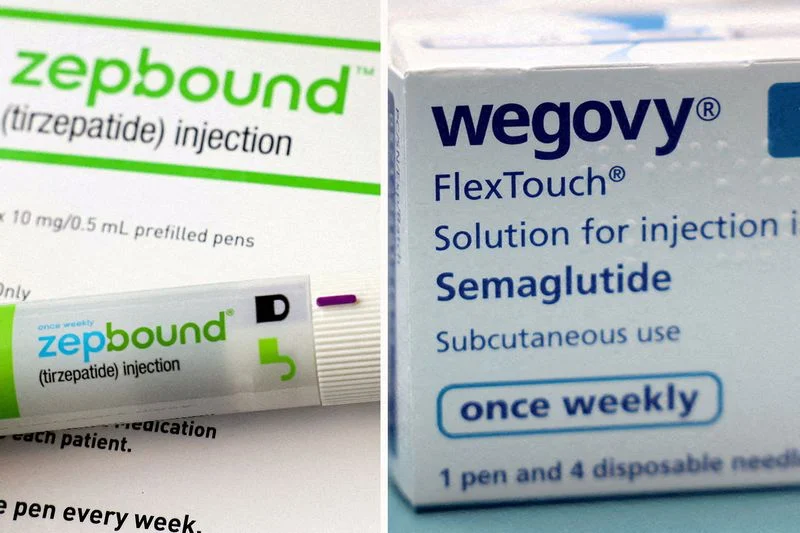
According to a study released on Friday, prescriptions for GLP-1 weight-loss drugs among American children under the age of 12 have surged by more than 300-fold since 2019, as physicians seek new and effective treatment options for younger patients battling obesity.
The research, which analyzed data from over 3.5 million children aged 8 to 11 with obesity but not diabetes, showed that GLP-1 prescription rates climbed from 0.03% in 2019 to 9.3% by June.
Even though these medications are not officially approved for children under 12, clinical guidelines permit their use for obesity in children as young as eight in specific situations.
Among the children who received GLP-1 prescriptions, 94% had severe obesity, and approximately 65% had at least one related comorbidity, such as high cholesterol, hypertension, or sleep apnea.
In total, 20,282 children received GLP-1 drugs during the study period, with Novo Nordisk's Wegovy being the most frequently prescribed. Doctors also prescribed Novo's Saxenda and Eli Lilly's Zepbound.
Lead investigator Dr. Babak Orandi, an obesity medicine specialist at NYU Langone Health, noted that although the absolute number of children under 12 on GLP-1 treatment remains low, the accelerating usage trend is unmistakable.
Orandi emphasized the necessity of long-term safety monitoring to confirm that these drugs continue to be both safe and effective over time.
The study, published in the journal Pediatrics, also found that children from higher-income communities were 55% more likely to receive these prescriptions, indicating emerging disparities in access to treatment.
"Physicians and health policymakers alike have a responsibility to ensure ... these valuable and sometimes costly treatments become available to more than those who have access to health insurance and can afford to visit pediatric clinics," said Allan Massie, co-author of the study and associate professor of surgery at NYU Grossman School of Medicine.
The researchers utilized Epic Cosmos, a national electronic health records database that covers more than 300 million U.S. patients. Epic was not involved in the study.
Read also
Musk pledges affordable Starlink pricing in India days before Ambani's record Jio IPO
Elon Musk said he would price Starlink's satellite internet affordably in India to challen…
Read More
HSBC names eight emerging markets to watch in 2027
HSBC has picked eight emerging equity markets it favours for 2027, citing artificial intel…
Read More
Foreign Investors Exit South Korean Stocks as AI Enthusiasm Fades
South Korea’s equity market is seeing heavy foreign outflows and a steep drop in trading a…
Read More