
Paramount Skydance wins Warner Bros Discovery takeover after settling state and union lawsuits
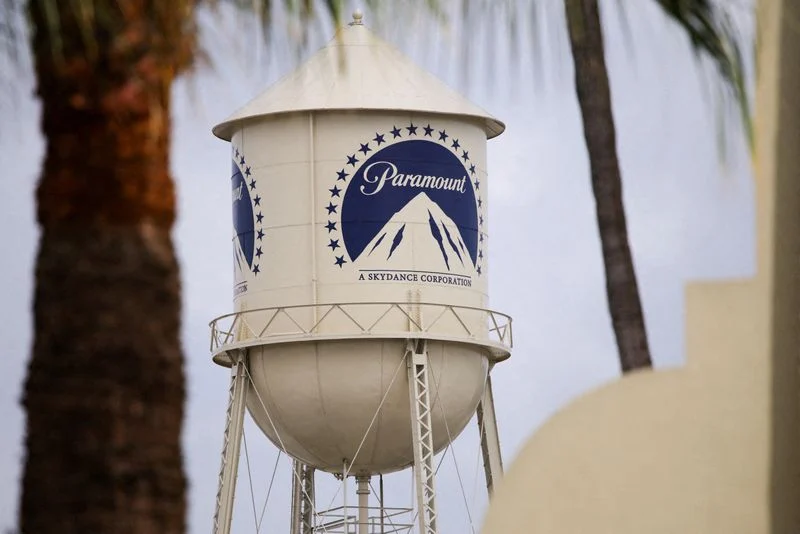
Sept 21 (Reuters) – Paramount Skydance came out on top Monday in the legal fight over its $110 billion purchase of Warner Bros Discovery, after reaching settlements with a group of U.S. states led by California and with a Hollywood writers union. The agreements clear the path for what would rank among the biggest media mergers ever.
For Paramount CEO David Ellison, the settlements represent a significant victory. He had spent months contesting the states to complete a transaction that would sharply concentrate influence across Hollywood’s film, television, streaming and news sectors.
As part of the agreement, Paramount accepted temporary film quotas and a news oversight committee, allowing it to avoid a forced divestiture of cable assets like CNN or any of its highly profitable film franchises.
Warner Bros shareholders welcomed the settlement, while merger opponents criticized it, saying it will harm employment in Hollywood. Paramount shares gave back earlier gains on Monday, whereas Warner Bros Discovery jumped more than 10%.
The Writers Guild of America settled its separate case against Paramount, though it said it still believes the merger will damage the industry. The states’ settlement, the union said, forced it to "contend with the reality of forging ahead alone, with no backing from government enforcers" in a complex case that would have cost millions of dollars.
California Attorney General Rob Bonta called the settlement "a strong antitrust outcome."
"More production, more choice, and guardrails that keep this industry competitive. I don’t think these two companies should merge, but that’s not something that we are focused on with our resolution here," he said at a press conference in Los Angeles.
In the state settlement, Paramount committed to increasing film production in the United States, pledging to spend at least $300 million more annually on domestic production and to follow U.S. theatrical release quotas for five years.
Bonta said the company will make 30 films in each of the first two years and 32 films in each of the next three. At least four of those movies annually must be independent films, and at least 20% must be blockbusters. Should it fall short, Paramount will pay $30 million per film, with most of the money going to funds that support workers.
Paramount also pledged not to increase rates for theater operators for three years.
The settlement requires Paramount to create a news editorial independence board to safeguard independence at CBS and CNN.
Reuters reported on Friday that Paramount and the states might reach a settlement as early as the weekend.
Ellison expressed gratitude to the states and to California Governor Gavin Newsom for his backing during the process.
"Our goal has always been to build a stronger Hollywood — one with more stories told, greater choice for consumers and stronger competition," he said in a statement.
Although regulators in the Trump administration approved the transaction, a group of 12 state attorneys general, led by Bonta of California, filed suit in July seeking to block the merger. They argued it would weaken competition and create a media giant able to raise prices for films and television.
The Writers Guild also filed suit to halt the deal, contending it would reduce pay and worsen working conditions for film and television writers.
Earlier this year, the companies said the merger would generate $6 billion in savings, partly through cost reductions that would likely hit jobs throughout Hollywood as well as in the CNN and CBS newsrooms. The combined company is expected to carry $80 billion in debt.
The settlement allows Paramount to sidestep a $7 million-per-day "ticking fee" that would have been payable to Warner shareholders for every day the deal remained incomplete after September 30.
Antitrust authorities in other jurisdictions around the world, including the European Union and Britain, have already approved the merger.
Read also
Musk pledges affordable Starlink pricing in India days before Ambani's record Jio IPO
Elon Musk said he would price Starlink's satellite internet affordably in India to challen…
Read More
HSBC names eight emerging markets to watch in 2027
HSBC has picked eight emerging equity markets it favours for 2027, citing artificial intel…
Read More
Foreign Investors Exit South Korean Stocks as AI Enthusiasm Fades
South Korea’s equity market is seeing heavy foreign outflows and a steep drop in trading a…
Read More