
Paycom Software shares slide 7.9% after hours despite Q3 earnings beat
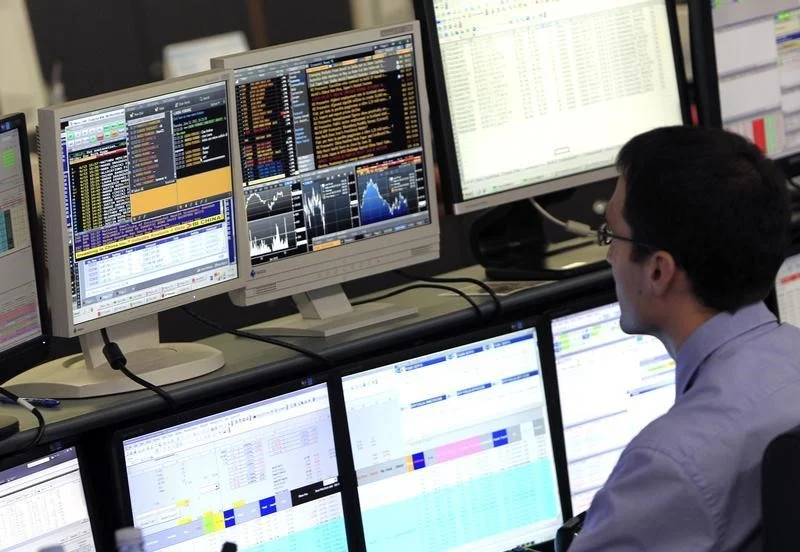
Paycom Software shares fell 7.9% in after-hours trading after the cloud-based human capital management provider reported third-quarter 2026 results following the market close, setting off a sharp profit-taking selloff even though the figures easily exceeded Wall Street expectations. The company reported adjusted earnings per share of $3.37, topping the analyst consensus of $2.81 by $0.56, while total revenue reached $544 million, an increase of 10% year over year.
The market response appeared tied to the gap between the size of the beat and the limited forward outlook. Paycom raised full-year revenue guidance to $2.213 billion to $2.218 billion, implying roughly 8% year-over-year growth, with recurring and other revenue growth of about 9%. The midpoint of that range was close to the $2.21 billion analyst consensus, a raise that disappointed investors who had anticipated more aggressive upside. Billings had averaged 9.2% year-over-year growth over the prior four quarters, a pace some observers found underwhelming. Pressure was reinforced by the consensus analyst rating of “Hold” ahead of the report and an average 12-month price target of $256.21, already below the pre-earnings close.
The broader market provided no cover for the decline. The S&P 500 added 0.2%, the Dow Jones gained 0.2%, and the Nasdaq rose 0.1%, with all three lifted by political clarity after U.S. midterm elections. Stocks advanced as a decisive Democratic victory removed political uncertainty that had weighed on Wall Street. That positive macro backdrop highlighted that Paycom’s after-hours drop was entirely company-specific, caused by post-earnings repositioning rather than a sector-wide or macroeconomic headwind.
On operational grounds, Paycom still delivered: adjusted EBITDA reached $268.1 million, 13.7% above consensus, and operating margin was 36%, up sharply from 22.8% in the same quarter a year earlier. CEO Chad Richison said the results reflected strong client ROI from the platform’s automated decisioning logic and confirmed that the company was raising its full-year outlook again. Yet the stock had already priced in a robust recovery, trading near its 52-week high of $275.22 before the report, so in-line guidance and a “sell the news” response were enough to drive shares down to $247 in after-hours trading.
This article was created with AI support and reviewed by an editor. Further information is available in our T&C.
Read also

CNN reports NSA IT outage disrupts Georgia site backing Middle East operations
An IT outage at the National Security Agency has affected operations at a Georgia facility…
Read More
Hedge funds weigh Europe-over-US volatility trade after S&P 500 options repricing
Equity derivatives desks are considering buying European volatility and selling US volatil…
Read More
Kornit Digital Stock Tumbles as Q4 Guidance and Limited 2027 Visibility Weigh
Kornit Digital shares fell sharply after an early pre-market rally reversed when Q4 guidan…
Read More