
Starbucks CEO Brian Niccol's Customer Comeback Faces Margin Test
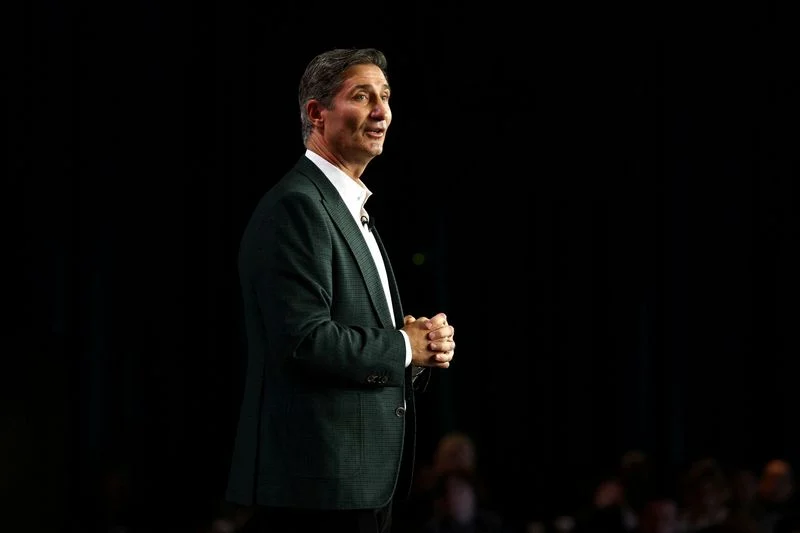
NEW YORK, Sept 9 (Reuters) - Brian Niccol's initial two years as Starbucks CEO have proven a qualified success, as his focus on store enhancements and marketing has lured customers back to the largest coffeehouse chain globally.
However, the 'Back to Starbucks' turnaround plan has increased expenses and pressured margins. For Niccol, who reaches his second anniversary as CEO on Wednesday, the coming two years will reveal whether he can convert that rebound into durable profitability that investors seek.
When Niccol assumed leadership in September 2024, Starbucks had experienced three straight quarters of declining comparable sales, reflecting customer frustration over extended wait times, ineffective promotions, and an overly complex menu.
Sales kept falling for three additional quarters before rebounding; comparable sales climbed 7.9% in the fiscal third quarter ended June 28, representing the fourth consecutive quarter of growth.
Niccol has prioritized customer happiness over short-term margins, an approach that led Starbucks to invest hundreds of millions of dollars in extra staffing to cut wait times and to renovate locations to recreate the café ambience that built the brand.
This strategy echoes Niccol's earlier tenure as CEO of Chipotle Mexican Grill, where he conceded the chain's faults and restored revenue following its food-safety scandal, enhancing his standing as a brand-focused leader.
Starbucks has also stepped up marketing under Niccol, including recent product placement in the film 'The Devil Wears Prada 2.'
On the day Niccol's appointment was revealed, Starbucks shares jumped 24%. Since then, they have climbed 30%, trailing the S&P 500's approximate 40% advance but outpacing declines at rivals such as McDonald's and Chipotle during the same timeframe.
'Stock metrics matter only if customers are content,' remarked Jake Dollarhide, CEO of Longbow Asset Management, a Starbucks investor. Dollarhide admitted he doubted the comeback as recently as six months ago but has changed his view due to faster service.
Those improvements, though, have carried a price. Starbucks has allocated at least $500 million to labor initiatives under the restructuring, helping drive down its operating margin since Niccol's arrival.
Operating margin stood at 12.9% in the fiscal third quarter, versus 15.8% two years earlier, LSEG data shows. The drop was more pronounced in North America, its biggest market, where the margin fell to 13.6% from 21% in the same timeframe.
'We'll need to observe whether these investments deliver returns,' said Brian Jacobsen, chief economic strategist at Annex Wealth Management.
A Starbucks spokesperson stated that the turnaround's employee investments are 'helping to maintain ongoing business momentum.'
Job cuts and store closures are part of the plan.
Niccol has already begun preparing for the next stage, granting executives stock incentives linked to cost-reduction goals through fiscal 2027.
The company has shuttered hundreds of locations, including the once-renowned Seattle roastery, and reduced staffing at its headquarters. In China, Starbucks sold a controlling stake in its business this year to spur recovery amid competition from budget competitors like Luckin.
'The China transaction exemplifies Starbucks' restructuring under Niccol, positioning the brand to turn stronger organic sales growth into profit growth,' said Jim Sanderson, an analyst at Northcoast Research.
Major challenges persist. Starbucks has not yet signed a first labor agreement with its U.S. barista union, which urged a customer boycott in August.
Starbucks also encountered criticism regarding its labor practices and scrapped an AI-driven inventory system intended to solve recurring product issues, but this has not deterred Wall Street.
'I admire that he owns his errors and is willing to change direction,' Dollarhide added.
Read also
Musk pledges affordable Starlink pricing in India days before Ambani's record Jio IPO
Elon Musk said he would price Starlink's satellite internet affordably in India to challen…
Read More
HSBC names eight emerging markets to watch in 2027
HSBC has picked eight emerging equity markets it favours for 2027, citing artificial intel…
Read More
Foreign Investors Exit South Korean Stocks as AI Enthusiasm Fades
South Korea’s equity market is seeing heavy foreign outflows and a steep drop in trading a…
Read More