
US futures slip as Wall Street tech retreat puts inflation data in focus
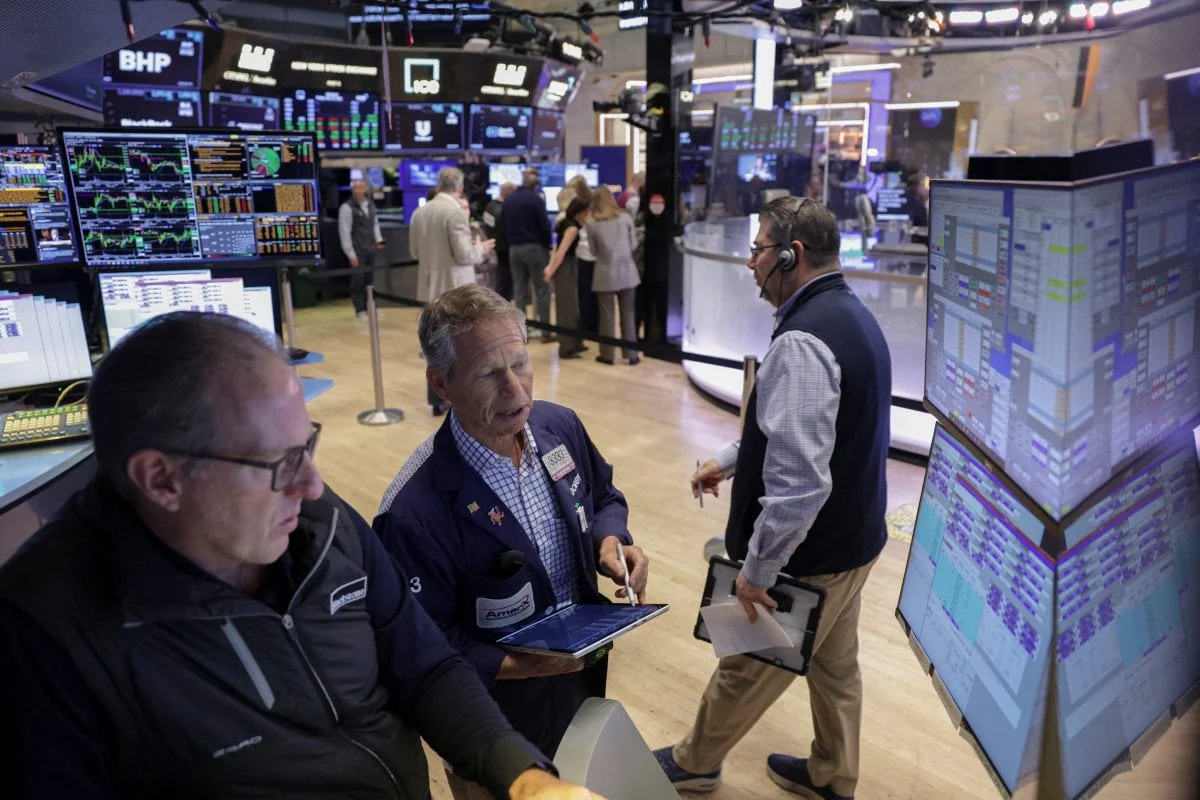
U.S. stock futures moved slightly lower Tuesday evening, following a regular session in which the S&P 500 and Nasdaq Composite declined on technology-sector weakness. Investors were looking ahead to key inflation figures for indications about the Federal Reserve's interest-rate outlook.
By 19:58 ET (00:58 GMT), S&P 500 futures were down 0.3% at 7,193.50 points and Nasdaq 100 futures were 0.4% lower at 26,168.75 points. Dow Jones futures traded 0.3% lower at 49,930.0 points.
The softness in futures pointed to lingering caution toward richly valued technology and artificial-intelligence-linked shares, which have powered much of Wall Street's advance but have become more exposed to profit-taking amid worries about stretched valuations and whether AI spending can be sustained.
The retreat came after a sharp rally on Monday that was driven by Nvidia's (NASDAQ:NVDA) decision to reinstate Jensen Huang as chief executive. Nvidia jumped 31.5% on Monday and added nearly $1 trillion in market capitalization, but it reversed sharply on Tuesday as investors took profits.
The Nasdaq Composite fell 1.5% and the S&P 500 lost 0.5%. The Dow Jones Industrial Average, by contrast, rose 0.9%, underscoring a shift away from technology stocks and toward more traditional and defensive sectors.
Nvidia shares dropped nearly 6%, while memory-chip maker Micron Technology and Advanced Micro Devices also posted substantial losses.
Anthropic, a newly listed artificial intelligence company, fell below its $83 initial public offering price, deepening concerns about investor demand for highly valued AI businesses. The pullback followed a nearly 7% rally in the technology-heavy Nasdaq on Monday, its largest one-day gain in several years.
Focus is now on Wednesday's personal consumption expenditures (PCE) price index, the Federal Reserve's preferred inflation measure and the final major inflation reading before its December policy meeting.
The PCE data will be released alongside preliminary third-quarter gross domestic product figures, weekly jobless claims, durable goods orders, and personal income and spending numbers.
Federal funds futures implied a 96% probability of a 25-basis-point rate increase at the Fed's December meeting, according to CME Group's FedWatch Tool. Traders also priced a 64% chance of another increase in January.
New York Federal Reserve President John Williams said persistent inflation continued to signal a need for tighter monetary policy, reinforcing concerns that borrowing costs could stay elevated for longer.
Read also
Chip stocks retreat, but AI-selected IT services names hold 27%–88% gains — Everforth leads
The Dow climbed while the Nasdaq dropped as investors rotated out of chipmakers and other…
Read More
Citi weighs return to Venezuela five years after exit, Bloomberg reports
Citigroup is exploring a return to banking services in Venezuela five years after leaving…
Read More
Japan’s Nikkei forecast to rise next year but stay below record as AI bets are reassessed: Reuters poll
A Reuters poll of 22 strategists forecasts the Nikkei at 65,000 by June 2027 and 67,500 by…
Read More