
‘Black Friday’ puts consumer spending in focus for AI-shaken market
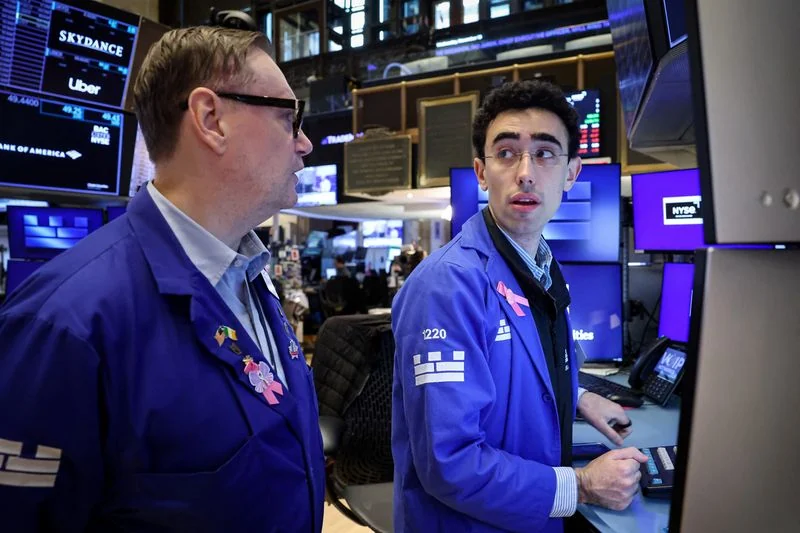
NEW YORK, Nov 20 (Reuters) - Next week investors will turn their attention to consumer spending, seeking evidence that a generally resilient economy can reassure a US equity market shaken by uncertainty over the AI trade.
The S&P 500 and Dow fell on Friday, confirming they were in a correction, while Anthropic shares pulled back after a blockbuster debut that had been expected to ease concerns about an AI trade already unsettled by valuation worries.
Next week, Black Friday will mark the start of the holiday shopping rush as retailers roll out discounts. Investors will look for clues about how consumers are handling inflation, including higher energy and borrowing costs. Consumer spending accounts for about two-thirds of the US economy.
"If you continue to see a strong consumer, it should help to lift the economy," said Jim Baird, chief investment officer with Plante Moran Financial Advisors. "That directly contributes back to stronger corporate revenue and earnings growth, and provides a catalyst for investors that extends beyond the AI trade and to other parts of the economy."
Investors are still absorbing a sharp pullback in heavyweight technology and AI shares.
This week, the high-profile market debut of Claude developer Anthropic and a solid quarterly report from embattled AI chipmaker Nvidia were not enough to steady stocks. Concerns about heavy financing needs and political resistance have raised doubts about the enormous spending on data centers and other AI infrastructure that has supported the four-year bull market.
"Markets and investors are looking at the tech sector with a lot more questions," said Paul Nolte, senior wealth adviser and market strategist at Murphy & Sylvest Wealth Management.
The Anthropic IPO gave investors their first opportunity to invest in a publicly traded AI lab, and the stock’s performance was expected to shape broad sentiment in the days ahead. Anthropic opened sharply higher on its first trading day, then trimmed gains and closed up 17% on Thursday while major indexes fell. On Friday, Anthropic dropped 9%.
The S&P 500 is down 11.6% from its October 6 record high, weighed down by the technology sector, which has fallen nearly 24.7% over that period.
A recent string of technology failures that disrupted areas from banking to travel to email also left investors nervous ahead of a US trading week shortened by the Thanksgiving holiday.
SOLID OCTOBER RETAIL SALES SETTING THE HOLIDAY TONE?
Weakness in stocks could weigh on consumers’ holiday gift-buying if they feel less wealthy and less inclined to spend.
Oxford Economics estimates holiday retail sales will increase 4.2%, or 2.2% in volume after adjusting for inflation. The figure covers retail spending in November and December and excludes autos, gasoline, and bars and restaurants.
The National Retail Federation projects that 182.7 million consumers plan to shop during the five-day Thanksgiving period through Cyber Monday, citing a recent survey. Black Friday is expected to be the most popular shopping day in that stretch. The total would be slightly below last year’s 186.9 million but would continue the recent trend of elevated shopping over the holiday weekend, the NRF said.
Government data this week showed US retail sales rose moderately in October, while the core measure increased more than expected. Retailers including Walmart and Target offered upbeat comments or outlooks for the holiday season in their quarterly reports this week.
"The consumer is pretty healthy, and we’d like to see that continue through the end of the year," Nolte said.
COULD GASOLINE PRICES SAP SHOPPING?
Despite solid retail sales data, Gene Goldman, chief investment officer at Cetera Financial Group, said he was concerned "that the consumer is being impacted by higher gas prices, higher energy prices, higher food prices."
The national average price for a gallon of gasoline was $3.69 on Friday, according to motorists’ group AAA. That is down from about $4.28 a month earlier but well above the $3.10 level a year ago.
As holiday shopping accelerates, Goldman said he is watching how much shopping occurs in stores versus online and how much consumers buy necessities versus discretionary items.
"If the economy exceeds expectations, earnings increase, and earnings drive stock prices," Goldman said.
In the coming week, investors will also monitor inflation and consumer confidence reports and an updated reading on third-quarter US GDP. Quarterly results are due from Dell Technologies and semiconductor company Analog Devices, which could influence the AI and tech trade.
With just over a month left in 2026, the S&P 500 is on track for a year-to-date gain of about 1%. The index has fallen for seven consecutive sessions, its longest such streak since February 2020. This week it slipped below its 200-day moving average—a closely watched trendline that serves as support for buyers—for the first time since April.
"There is a lot to like about the fundamentals" of the market, said Mark Hackett, chief market strategist for Nationwide. "But picking bottoms is difficult when the market is so emotional."
Read also
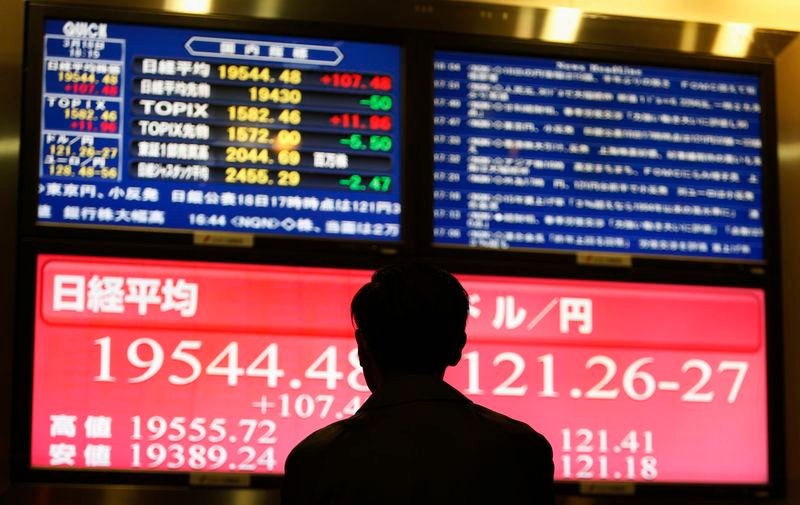
Taiwan, China and South Korea move to support markets after AI rout
Taiwan, China and South Korea announced market-support measures after an AI-led selloff dr…
Read More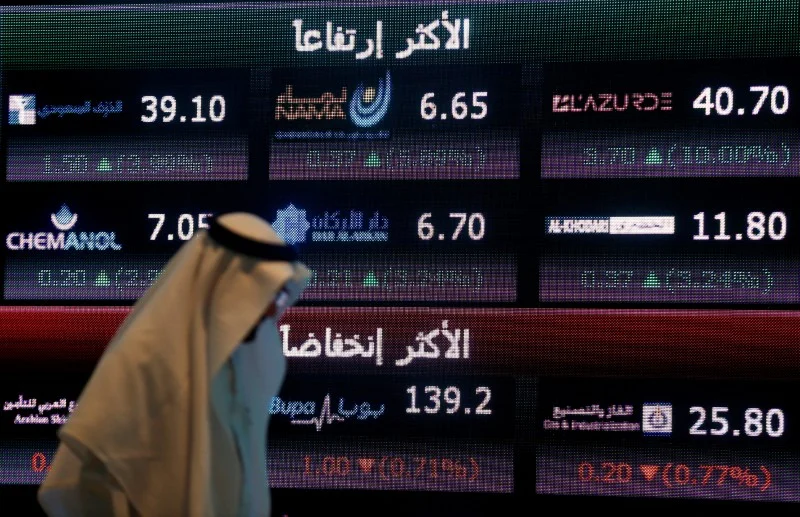
Saudi Stocks Close Lower; Tadawul All Share Down 1.95%
Saudi Arabian stocks closed lower on Sunday, with the Tadawul All Share falling 1.95% as r…
Read More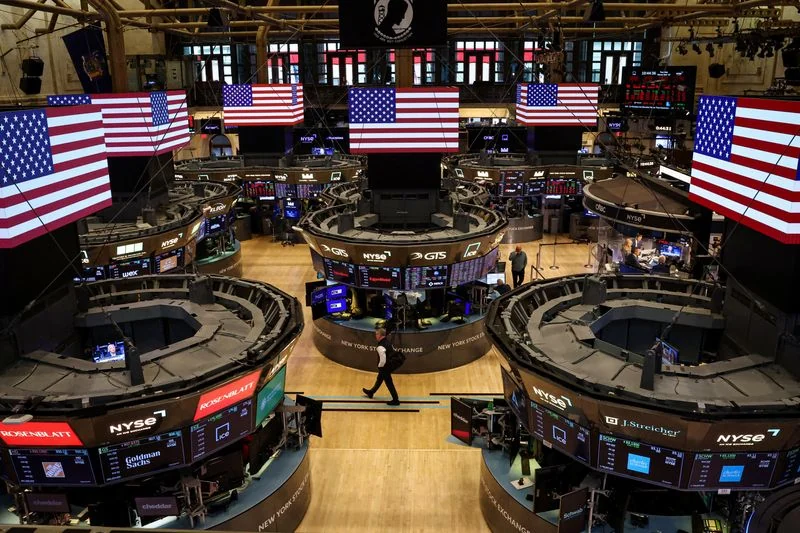
Correction or deeper reckoning? Investors look for signs US stock selling will ease
US stocks have entered a correction as the S&P 500 fell 11.6% from its October record, and…
Read More