
Correction or deeper reckoning? Investors look for signs US stock selling will ease
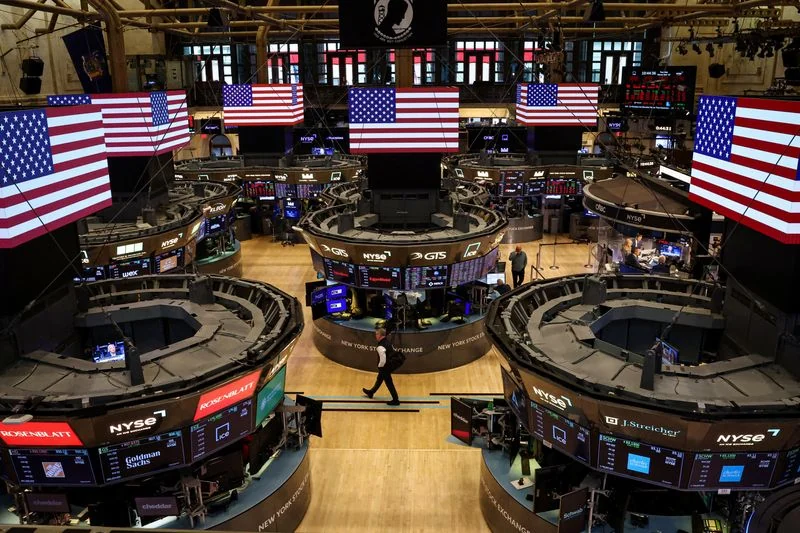
NEW YORK, Nov 22 (Reuters) - Investors are searching for evidence that the sharp US equities selloff is close to running its course and could create openings to buy beaten-down stocks, though they remain worried that negative momentum may push the market even lower.
Stocks fell again on Friday, ending the week sharply lower and leaving the S&P 500 11.6% below its October 6 all-time high. That is more than the 10% drop that confirms a correction for the benchmark index, the first such decline since March 2025, when trade tensions unsettled markets.
For investors accustomed to taking advantage of pullbacks during a four-year-old bull market, any hint of a market bottom could present a rare chance to buy at relatively cheap levels. As stocks sold off heavily on Friday, investors said some gauges were at least nearing signals of a possible bottom, but they were reluctant to declare the decline over after such intense selling.
"Sentiment is very fragile at the moment," said Angelo Kourkafas, senior global investment strategist at Edward Jones. "But ... there is a point where the drawdown is big enough to attract some buyers."
The market's six-week decline, which has included a steep drop in heavyweight technology shares, has unfolded amid growing doubts about the AI trade, including questions about whether heavy spending on data centers that has supported profits and economic growth can continue. Investors said the start of Federal Reserve interest rate hikes has also stirred anxiety about risk assets.
As of Friday, the S&P 500 had fallen for seven consecutive sessions, its longest daily losing streak since the coronavirus pandemic began in 2020, and had posted its largest weekly decline in more than a year. The tech-heavy Nasdaq Composite had erased its year-to-date gain and was down 2.7% in 2026.
Mark Hackett, chief market strategist for Nationwide, said the selloff had reset valuations to more attractive levels and weakened investor sentiment measures to readings that historically have often been buy signals.
However, Hackett said, “emotional investors can overwhelm opportunistic ones in the short term.”
SEEKING CLUES IN MARKET INTERNALS
In the near term, analysts turned to technical indicators, market internals and other measures for signs of a possible bottom.
Michael Arone, chief investment strategist at State Street Investment Management, said he was monitoring how far individual S&P 500 stocks had fallen from their respective 52-week highs and the degree to which stocks were moving in unison; those measures were moving nearer to oversold levels but had not yet reached extremes.
Bruce Zaro, managing director at Granite Wealth Management, said one indicator—comparing the relatively small number of New York Stock Exchange stocks at 52-week highs with those at lows—was signaling a bottom. But a second measure, the relatively low percentage of stocks above their 50-day moving averages, was close yet had not yet signaled a market “washout,” he said.
"We are getting close to a great dip-buying point," Zaro said.
Kourkafas said he was watching for moves beneath the surface of the market. Consumer staples and other relatively defensive areas, which often perform well in “risk off” environments, had recently been strong, but Kourkafas wanted to see strength in economically sensitive sectors such as banks and industrials as evidence that sentiment was stabilizing.
The Cboe Market Volatility index closed Friday at 35.89, its highest level since the “Liberation Day” tariff turmoil in April 2025, and was also in investors’ focus. Kourkafas said that when the VIX has closed above 30 for the first time in a cycle, the S&P 500 has averaged a total return of 8.1% six months later.
Spikes in the volatility index, known as Wall Street’s “fear gauge,” can signal extreme pessimism that clears the way for future gains.
Michael Reynolds, vice president of investment strategy at Glenmede, said the VIX was approaching the 40 level that could indicate “peak fear.”
"There are some tell-tale signs we have a moment where the fear is detached from the strong fundamentals of earnings growth," Reynolds said.
FED MEETING AND AI DEVELOPMENTS IN FOCUS
US markets could see lighter trading volume in coming days, with fewer trading days next week because of the Thanksgiving holiday on Thursday.
The Fed’s next rate-setting meeting on December 8-9 loomed as a potentially pivotal moment for markets. The US central bank is widely expected to raise rates by a standard quarter percentage point, but Arone said any signals about how many more hikes are expected this cycle would be crucial for stocks.
"Market participants are afraid that the Fed is tightening into an economic slowdown when both earnings and AI investment have peaked," Arone said. "Maybe a dovish hike would begin to soothe market fears."
Developments related to the outlook for AI investment could also prove critical. Although earnings season is largely finished, results from semiconductor company Micron Technology on December 17 could have broad implications.
"There are many valuations that are still excessive.... This seems like a real correction which has further to go," said Tim Ghriskey, senior portfolio strategist at Ingalls & Snyder.
Read also
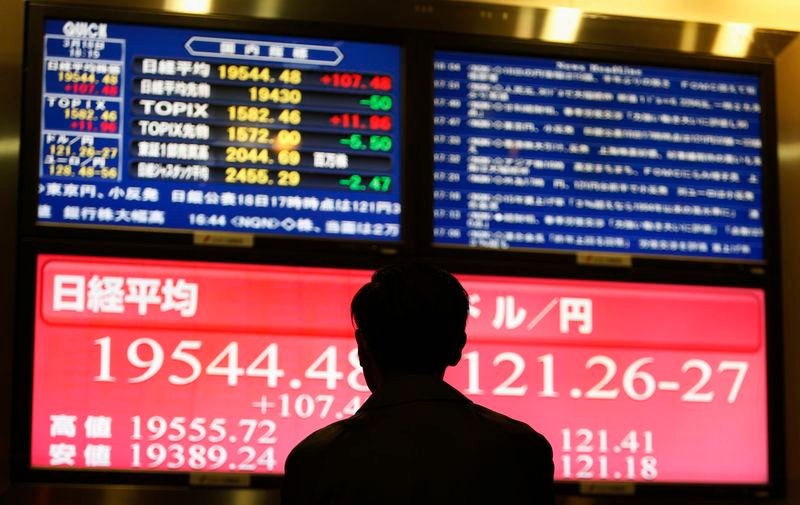
Taiwan, China and South Korea move to support markets after AI rout
Taiwan, China and South Korea announced market-support measures after an AI-led selloff dr…
Read More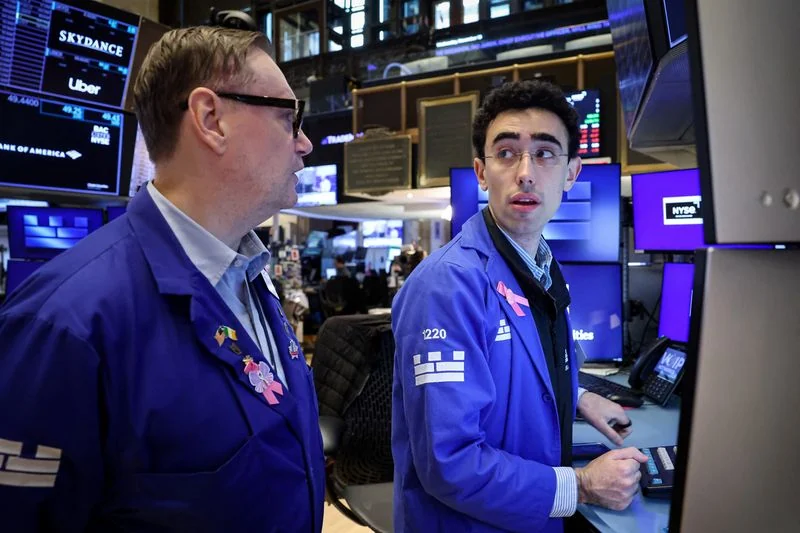
‘Black Friday’ puts consumer spending in focus for AI-shaken market
Investors are turning to holiday consumer spending for signs of economic resilience as a s…
Read More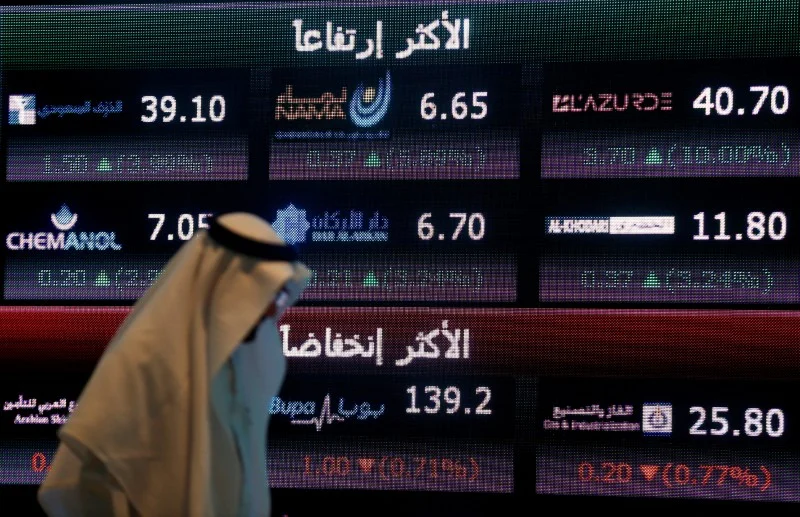
Saudi Stocks Close Lower; Tadawul All Share Down 1.95%
Saudi Arabian stocks closed lower on Sunday, with the Tadawul All Share falling 1.95% as r…
Read More