
South Korea readies market stabilization fund after Kospi's 5.2% plunge
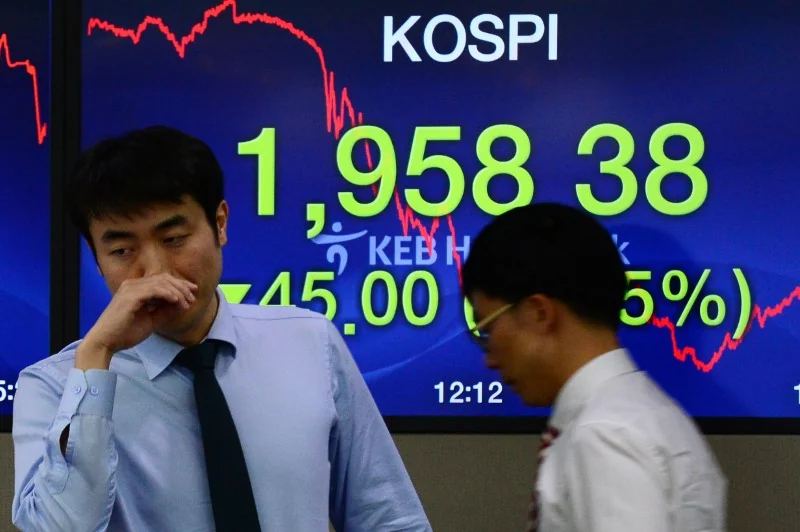
South Korea unveiled emergency measures on Sunday aimed at steadying financial markets after a steep equity selloff, including steps to prepare a market support fund and a temporary loosening of restrictions on corporate share buybacks.
Finance Minister Lee Hyoung Il, Bank of Korea Governor Shin Hyun Song and senior financial regulators convened to evaluate market volatility and possible spillovers from the downturn in U.S. stocks.
The authorities said work on the stabilization fund would start right away, enabling intervention if conditions require it.
For three months, listed companies will face relaxed daily limits on share repurchases, a move intended to bolster demand and curb volatility.
Regulators will also run three months of intensified surveillance focused on illegal short selling, with a pledge of strict enforcement against violations.
The actions came after the benchmark Kospi index tumbled 5.2% on Friday, closing at its lowest level in 10 months.
The index has dropped below 5,000 after climbing above 9,100 in mid-June — a fall of roughly 46.6% from its peak.
South Korean stocks have come under growing selling pressure as investors reassess artificial-intelligence valuations, semiconductor demand and higher borrowing costs across the technology sector.
Officials conceded that uncertainty over AI and chip industries has amplified volatility, but warned against panic selling, pointing to longer-term growth expectations that remain intact.
The intervention follows earlier government steps that temporarily eased margin lending rules in an effort to limit forced stock sales.
The slump has coincided with sharp losses on Wall Street, led by technology shares amid doubts about returns on AI investment.
Anthropic's much-anticipated public listing last week also did not produce the broader improvement in investor sentiment that some market participants had anticipated.
Focus now shifts to Thursday's Bank of Korea monetary policy meeting, where economists expect a further 25-basis-point rate increase.
Another hike could complicate stabilization efforts, as policymakers weigh market volatility against inflationary pressures.
Read also
Taiwan, China and South Korea move to support markets after AI rout
Taiwan, China and South Korea announced market-support measures after an AI-led selloff dr…
Read More
‘Black Friday’ puts consumer spending in focus for AI-shaken market
Investors are turning to holiday consumer spending for signs of economic resilience as a s…
Read More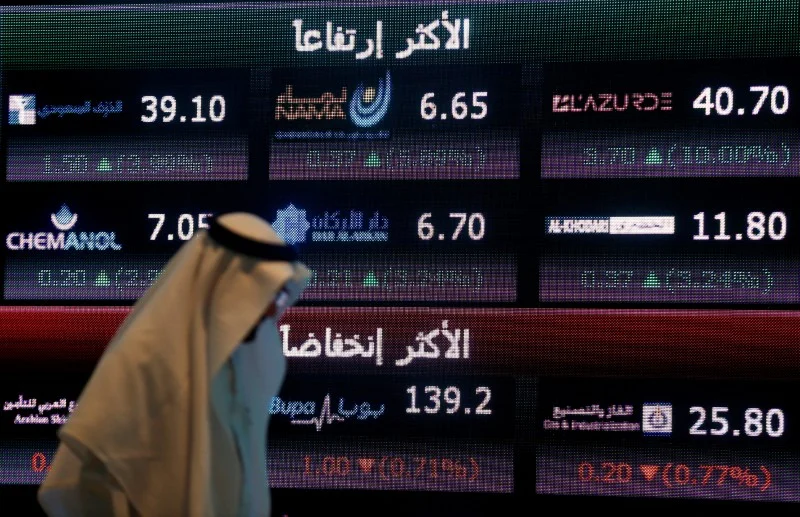
Saudi Stocks Close Lower; Tadawul All Share Down 1.95%
Saudi Arabian stocks closed lower on Sunday, with the Tadawul All Share falling 1.95% as r…
Read More